Attachment Focused Therapy
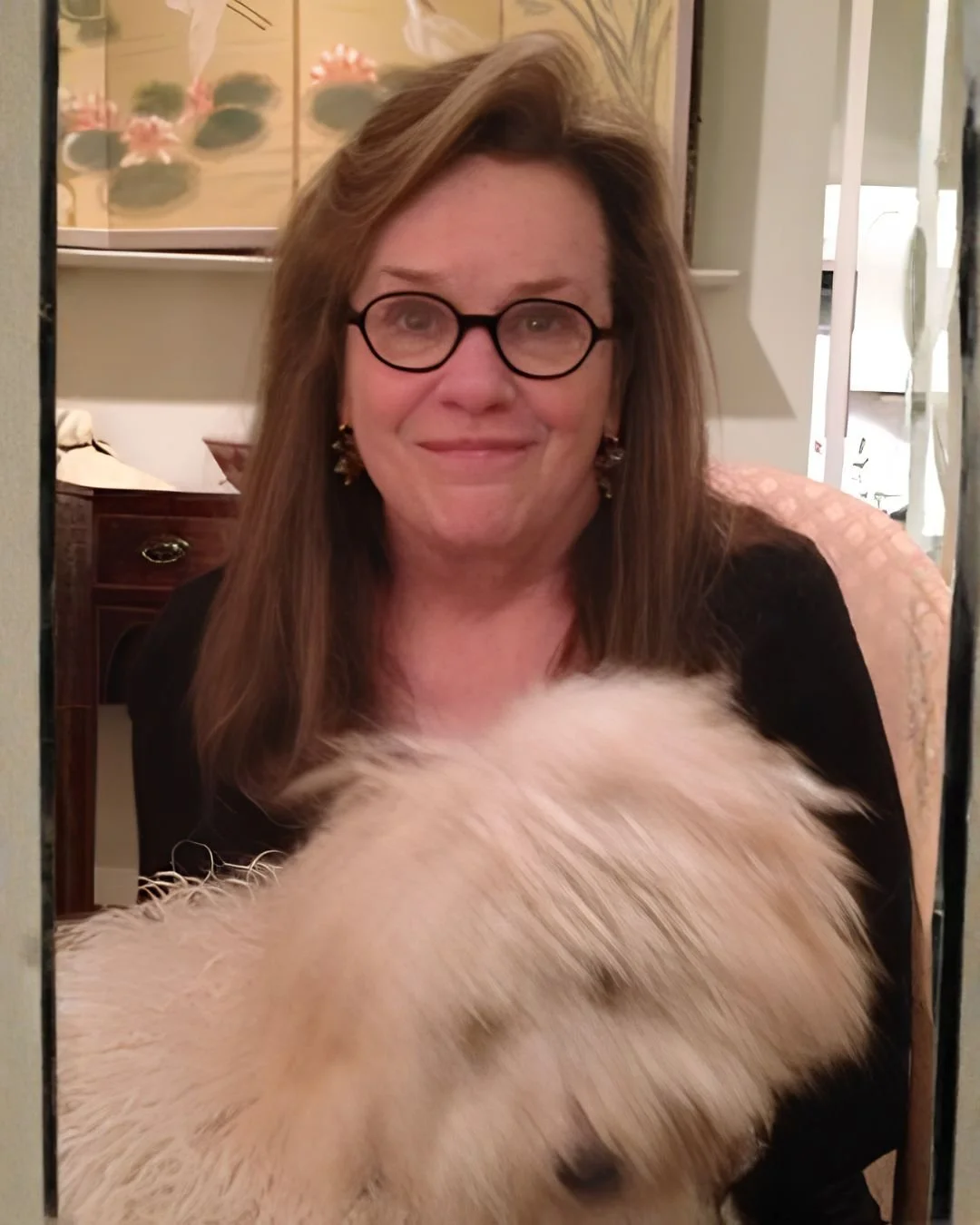
with Mary McDonald, LICSW

What gets called an attachment style is a cluster of habits we developed at the beginning of our lives in response to the environment in which we found ourselves.
Helpful or not, they patterns stay with us -
but the pattern can be unlearned.
Instead of the original habits and expectations, we can build a new way of relating.
If you’re stuck in cycles, or wondering if something intrinsic about you blocks connection, therapy is the place to begin.
If it gets in the way of attachment, it gets in the way of life.
Clients come to me when they:
● Repeat patterns
● Fear closeness
● Withdraw emotionally
● Orbit in loops of conflict
● Struggle with trust
If these discouraging patterns are familiar, you’re not alone.
This is workable.
It can be different.

How Attachment Therapy with Me Works
Attachment is not compartmentalized. If there are issues, they show up everywhere, including between us in the room ... where it’s possible to see what’s really going on.
Paying close attention to what unfolds in real time, we can peacefully examine what’s driving your perspective and reactions.
Experience the freedom of choosing your direction, rather than succumbing to automatic pilot.
Modalities I Use
-
Helps us understand how your early relationships shaped how you connect today so you can build safer, more secure bonds.
-
Explores your past and unconscious patterns so you can understand why you feel and react the way you do, especially in relationships.
-
Identifies unhelpful thought patterns to reduce self-doubt and relationship anxiety.
The work is not about labeling your attachment style. It’s about expanding your range, so you’re no longer stuck in one way of relating.
Experience Presence in Relationships
As we do this work, you can begin to experience connection differently. Not as something threatening, but as something in which you have agency.
Changes after couples work with me:
Breaking old patterns
Trusting more easily
Clarity about what you want from connections
Choosing better partners
Fewer conflict loops
Feeling emotionally grounded
Comfort with closeness

Testimonials
⋆⋆⋆⋆⋆
"Mary does her analytic work as the person she is – generous, empathetically focused, worldly wise, incisive, humorous, earnest and devoted. She is palpably there."
—Stuart A. Pizer, Ph.D., ABPP
Founding Board Member, Massachusetts Institute of Psychoanalysis
Assistant Professor of Psychology (part time), Department of Psychiatry, Harvard Medical School
⋆⋆⋆⋆⋆
"Over the years, Mary has become highly valued colleague. As a therapist and psychoanalyst, she has a rare gift for combining a warm and welcoming presence with incisive intelligence and understanding."
—Carol Rubin, PhD
Faculty of PINE Psychoanalytic Center and Faculty member of the Massachusetts Institute for Psychoanalysis
About Mary McDonald

My approach is designed for people who want to understand their relationships more deeply. They are after change, not just the short-term gratification of complaining.
Many people wonder what their therapist is thinking. My clients do not. Obtuseness is rarely helpful.
Before becoming a therapist, I spent 16 years in the finance sector. (I concluded that the psyche is much more interesting than profitability.) I can now bring more of who I am into what I do. Some clients do appreciate my familiarity with the machinations of business.
I’m also a psychoanalyst, trained to broker a more productive relationship among the inner selves.
I’m an energetic character. Personally, I enjoy theater, reading, art and art collecting, gardening, and travel.
Availability: I work with clients in person in Cambridge, MA, and via Telehealth across Massachusetts.
Education, Credentials & Training
Masters in Social Work, Simmons College, Boston, MA
Psychoanalytic Training, Massachusetts Institute of Psychoanalysis
Psychodynamic Fellowship Program, PINE Psychoanalytic Center
Couples Counseling Fellowship, The Psychodynamic Couple and Family Institute of New England
Fellowship Program, Boston Institute for Psychotherapy
Faculty, Massachusetts Institute for Psychoanalysis
MBA, New York University
Bachelor’s Degree, Vassar College
3 Steps to Get Started
-
Fill out the contact form. You’ll hear from me promptly.
-
We’ll have a conversation to see if this feels like a good match and answer your questions.
-
If there’s a decision to go forward, we review schedules, compensation and location / modality